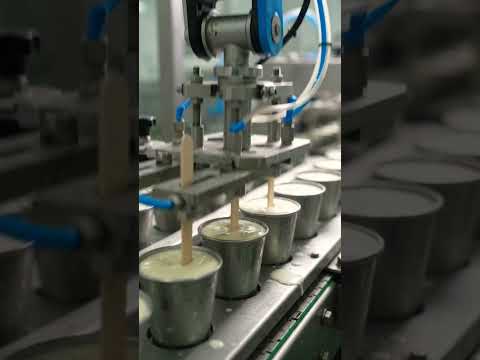
Kulfi has long been celebrated as the "traditional Indian ice cream," known for its dense, creamy texture and aromatic flavors like cardamom, saffron, and pistachio. While it was once exclusively a handmade street food delicacy, the modern era has brought this treat to the global stage through sophisticated industrial automation. Have you ever wondered how thousands of these frozen delights are produced daily without losing their authentic taste? Let’s step inside a modern factory plant to see the magic happen.
The Foundation: Blending and Reduction
The process begins with the most important ingredient: high-quality milk. Unlike regular ice cream, which is whipped with air, kulfi is known for its solid, fudge-like consistency. In the initial stage of the factory plant operation, massive stainless steel vats heat the milk slowly. This reduction process evaporates excess water, concentrating the proteins and sugars to create that signature caramelized flavor. Once the milk has reached the perfect thickness, natural flavorings, sugar, and nuts are blended in with precision to ensure every single kulfi tastes exactly the same.
Precision Freezing and Molding
What makes the manufacturing process so satisfying to watch is the mechanical precision of the molding stage. The concentrated kulfi mixture is piped into rows of distinct cone-shaped molds. These molds then travel through a specialized brine tank or a cryogenic freezing tunnel. This rapid cooling is essential; it prevents the formation of large ice crystals, ensuring the texture remains smooth and creamy. The technology housed within a modern factory plant allows for thousands of units to be flash-frozen simultaneously, maintaining a level of hygiene and speed that manual production simply cannot match.
Automated Packaging and Quality Control
The final stage is a masterclass in efficiency. Once the kulfi is frozen solid, the molds are briefly dipped in warm water or pulsed with heat to release the treats. Robotic arms or conveyor systems then whisk the kulfi sticks toward the packaging line. Each unit is wrapped in airtight, food-grade film to preserve freshness before being boxed and sent to cold storage.
Watching the transformation from liquid milk to a perfectly packaged dessert is more than just informative—it is incredibly satisfying. It highlights the perfect harmony between traditional recipes and the cutting-edge engineering of today’s food production industry.


