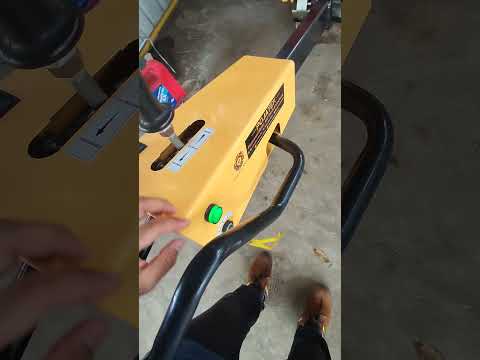
When it comes to small-scale paving projects and site preparation, standard heavy equipment can often be too bulky and inefficient. That is where compact soil and asphalt compactors come into play. If you are looking for a straight-to-the-point guide without sitting through tedious, drawn-out videos, this quick tutorial on operating an electric baby roller will get you up to speed in no time.
Understanding the Electric Baby Roller
An electric baby roller—commonly referred to as a walk-behind vibratory roller—is a compact piece of construction machinery designed to compress soil, gravel, and asphalt. Unlike traditional diesel-driven compactors, electric models offer zero emissions, reduced noise levels, and significantly lower maintenance costs. They are ideal for tight spaces such as residential driveways, sidewalks, and trench work where larger vehicles simply cannot maneuver.
Quick Steps to Operate an Electric Baby Roller
Operating this compact compactor is straightforward once you understand the basic controls. Here is how to get started efficiently:
- Pre-Operation Safety Check: Inspect the machine for any loose components, verify that the battery is sufficiently charged, and clear any debris from the compaction drum.
- Powering On: Turn on the main electrical switch. Most modern electric rollers feature push-button starts, eliminating the hassle of pull-strings or heavy crank handles.
- Engaging the Controls: Use the directional handle to control forward and reverse movements. Always ensure the roller is moving before engaging the vibratory mechanism to achieve smooth, even compaction.
- Shutting Down and Maintenance: Once the job is complete, turn off the vibration feature before stopping the machine. Clean the drums to prevent material build-up that could affect future performance.
Why Electric Compact Machinery is the Future
As construction standards shift toward eco-friendly and low-noise solutions, specialized electric machinery is becoming a staple on modern jobsites. By opting for compact electric rollers, contractors can complete precise compaction tasks quickly without sacrificing power or efficiency. Whether you are a jobsite professional or a DIY enthusiast, mastering this versatile equipment will save you both time and effort on your next project.


