In the rapidly evolving world of Agentic AI, building an autonomous system is no longer just about choosing the right Large Language Model (LLM). Today, success hinges on how effectively your agent interacts with the external world. This is where proper AI agent tooling comes into play. If you want your AI agent to execute tasks accurately, learning how to write clear, concise, and precise tool descriptions is an essential skill you must master.
Why Tool Descriptions Are Actually Prompts
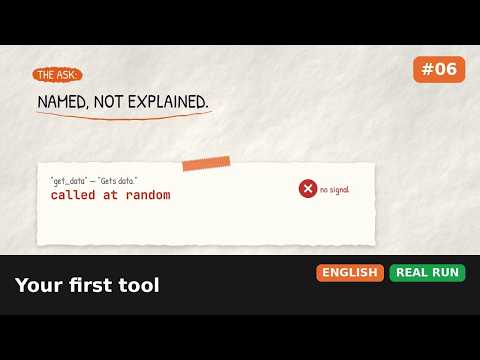
When developers create custom tools for AI agents—whether for fetching API data, querying databases, or executing code—they often overlook the description field. However, in modern agent architectures, a tool description isn't just metadata; it is literally a prompt evaluated by the LLM.
The model reads the tool's name and description to decide if and when it should trigger that specific function. If your description is vague, the agent may pick the wrong tool, pass incorrect arguments, or skip using the tool entirely.
The Impact of Refined Agent Tooling
Upgrading your AI tooling through better descriptions can radically transform model behavior. Consider a simple example of a tool designed to retrieve user data:
- Weak Description: "Gets user info."
- Optimized Description: "Retrieves detailed user profile information including email, account status, and subscription tier using a valid User ID."
With the optimized version, the agent understands precisely what inputs are expected and what data will be returned. A single improvement in your description eliminates ambiguity, reduces API execution errors, and significantly boosts overall task completion rates.
Best Practices for Writing AI Tool Descriptions
To elevate your AI agent tooling strategy, keep these actionable tips in mind:
- Be Explicit About Intent: Clearly state what the tool does and what specific problem it solves.
- Define Input Parameters: Describe expected formats (e.g., YYYY-MM-DD date strings or integer IDs) directly within parameter descriptions.
- Include Constraints: Mention edge cases or scenarios where the tool should not be called to prevent accidental execution.
By treating tool descriptions with the same care as prompt engineering, you unlock the full potential of your autonomous agents. Start auditing your agent tools today and see how much smarter your AI becomes!


