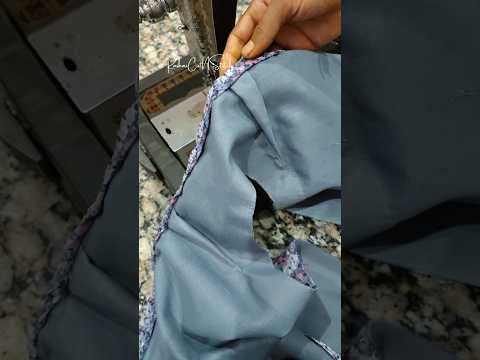
Whether you are a seasoned professional tailor or a DIY enthusiast working on your first project, your sewing machine is the heart of your creative workspace. However, to achieve those perfect, skip-free stitches, you need to understand that even the most reliable sewing machinery requires consistent care and a few expert "hacks" to stay in top shape.
In this guide, we will explore some amazing tips and tricks to ensure your machine runs smoothly every time you sit down to sew.
Keep the Dust at Bay
One of the most common causes of machine malfunction is the buildup of lint and dust. Every time the needle passes through the fabric, tiny fibers get trapped in the bobbin case and under the needle plate. Over time, this can clog the moving parts. Make it a habit to use a small brush to clean these areas after every major project. Keeping the internal components of your stitching machinery clean is the simplest way to prevent expensive repairs and ensure a quiet sewing experience.
Choose the Right Needle and Thread
Not all needles are created equal. Using a dull needle or the wrong size for your fabric can lead to puckering and broken threads. As a rule of thumb, you should change your needle after every 8 to 10 hours of active sewing. Additionally, always match your thread quality to your fabric. High-quality thread produces less lint, which further protects the delicate internal components of your equipment.
The Importance of Regular Oiling
Just like any other piece of precision machinery, a sewing machine has many moving metal parts that create friction. Check your manual to see where your specific model requires lubrication. A single drop of high-quality sewing machine oil in the right places can stop squeaking and allow the gears to move with ease. Note: always sew on a scrap piece of fabric after oiling to ensure no excess oil transfers to your project.
Check Your Tension Settings
If your stitches look loopy on the bottom or too tight on the top, your tension is likely off. Before you panic, re-thread both the top thread and the bobbin. Most "mechanical issues" are actually just threading errors. Ensure the presser foot is up while threading to allow the thread to sit properly in the tension discs.
By following these simple yet effective tips, you can extend the life of your machine and enjoy a frustration-free sewing experience. Happy stitching!


