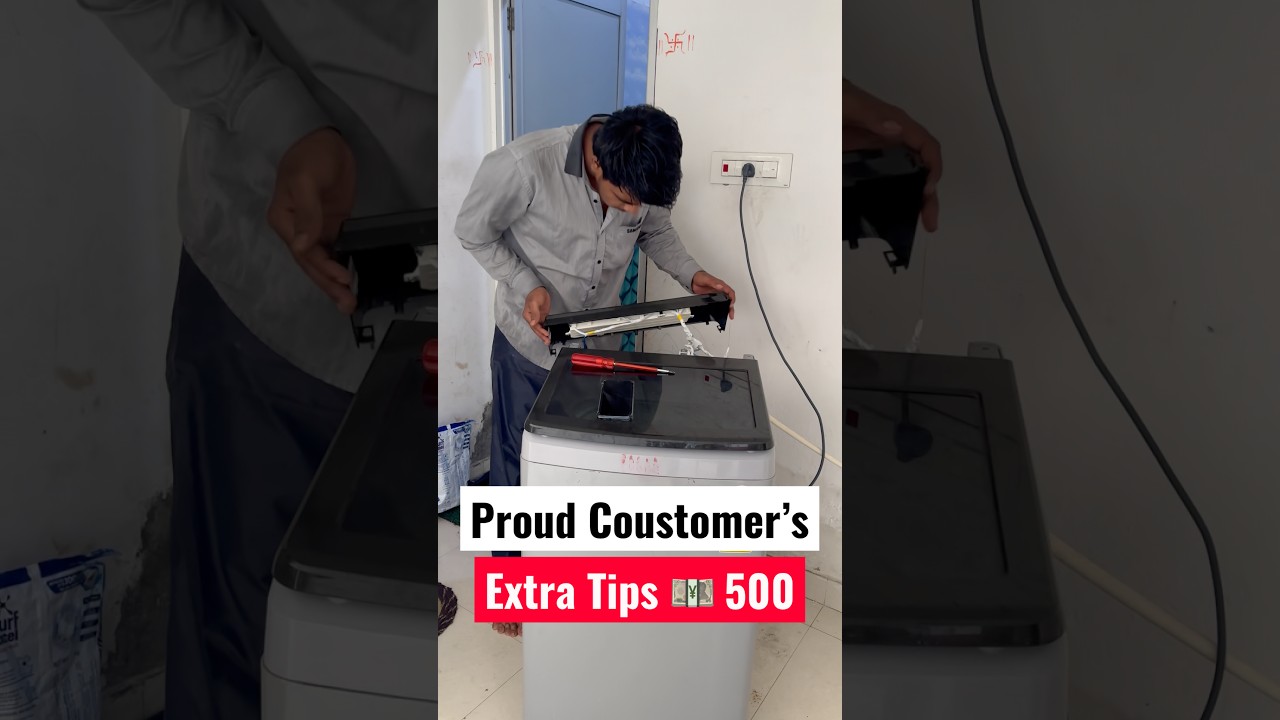
Is Your Washing Machine Overheating? Essential Machinery Maintenance Tips for Samsung Washers
This article provides an in-depth exploration of Machinery, covering foundational concepts, practical applications, and engineering insights.
Modern laundry appliances rely on complex internal mechanisms to keep our clothes clean and fresh. However, when these sophisticated pieces of machinery encounter electrical or heating issues, it can cause severe inconvenience and potential safety hazards. A common problem that many Samsung washing machine owners face is water heating failure or severe overheating caused by a faulty heater element or sensor. Understanding how to diagnose and resolve these heating issues will help keep your unit running smoothly and safely.
Why Do Samsung Washing Machine Heaters Fail?
The heating element (often called the internal water heater) in modern washing machines brings water to the selected temperature for optimal stain removal. When this system malfunctions, your machine may fail to warm the water or, conversely, continuously overheat, causing thermal cut-offs and potential damage to internal parts.
Common causes for heating element failure include:
- Limescale Buildup: Hard water minerals coat the heating element over time, causing it to overheat and burn out.
- Defective Thermistor: If the temperature sensor fails to communicate with the main control board, the machine cannot regulate heat properly.
- Shorted Wiring or Relays: Damaged electrical connections can lead to uncontrolled power delivery to the heater.
How to Troubleshoot the Heating System
Before attempting any maintenance or diagnostic work on household machinery, always ensure the appliance is completely disconnected from the power supply to prevent electric shock.
- Perform a Visual Inspection: Remove the protective access panel to inspect the heater assembly. Look for burnt wires, discolored terminals, or visible corrosion on the heating element.
- Test for Continuity: Disconnect the wire leads from the heater and use a multimeter to check resistance across the terminals. An open circuit (infinite resistance) indicates a blown element that requires immediate replacement.
- Inspect the Thermal Fuse: Verify if the safety fuse has blown due to excessive heat levels.
Preventing Future Heating Problems
Consistent care is essential to extend the working life of home machinery and avoid costly repairs:
- Run a monthly hot cycle using a dedicated descaling solution to prevent mineral deposits from coating the heating assembly.
- Avoid consistently overloading the washing drum, which can lead to excessive electrical draw and system strain.
- Address display panel error codes immediately rather than ignoring early warning signs.
If you are unfamiliar with testing electrical components, consider reaching out to a certified technician to handle the replacement safely. Regular attention to heating components ensures your Samsung washing machine delivers safe, efficient performance for years to come.


