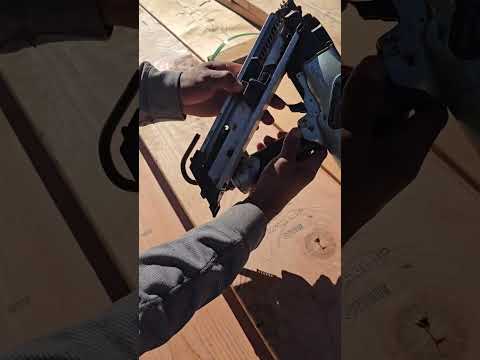
Whether you are a seasoned jobsite contractor or a dedicated DIY builder tackling a framing project, speed and precision are paramount. Among the vast array of power tools available today, few make a bigger impact on productivity than a reliable framing nail gun. Transitioning from a traditional claw hammer to a pneumatic or cordless framing nailer completely revolutionizes how you erect walls, secure subfloors, and construct roof trusses.
Maximizing Efficiency on the Jobsite
Framing requires driving hundreds—sometimes thousands—of heavy-duty nails a day. Utilizing modern power tools like coil or strip nail guns allows carpenters to secure structural lumber in a fraction of the time. However, speed should never come at the expense of accuracy. To achieve optimal results, always ensure your tool’s depth-of-drive setting is calibrated correctly for the lumber density. Driving nails flush maintains maximum holding power without weakening the wood fibers through over-penetration.
Best Practices for Safe and Accurate Nailing
Safety and proper technique must always come first when operating high-velocity equipment. Before pulling the trigger on your next project, keep these core tips in mind:
- Wear Proper Safety Gear: Eye protection and hearing defense are mandatory when operating pneumatic or battery-powered nailers.
- Select the Right Firing Mode: Choose sequential firing for precise placement or bump firing for high-speed production tasks.
- Maintain Firm Tool Posture: Push the contact nose firmly and perpendicularly against the workpiece to prevent awkward ricochets or bent fasteners.
Caring for Your Framing Equipment
To ensure your power tools continue performing reliably under heavy workloads, consistent tool maintenance is essential. Pneumatic nailers require a few drops of air tool oil prior to daily use to preserve internal O-rings and pistons. Keep the nail magazine free of saw dust, wood chips, and grime, and always disconnect the air hose or battery pack before clearing any jam.
By mastering basic operation techniques and prioritizing proper gear maintenance, you can dramatically boost your jobsite efficiency, improve safety, and deliver professional-grade framing results every single time.


