Precision is the hallmark of any master woodworker. While many power tools come with standard factory attachments, they don’t always offer the specialized control or stability needed for intricate, high-end projects. One of the most versatile machines in any workshop arsenal is the plunge router, but achieving perfectly straight edges can be a challenge without the right accessories. Instead of purchasing expensive commercial add-ons, you can create a custom DIY edge guide fence that offers superior accuracy.
The Simple Genius of a Wooden Sub-Base
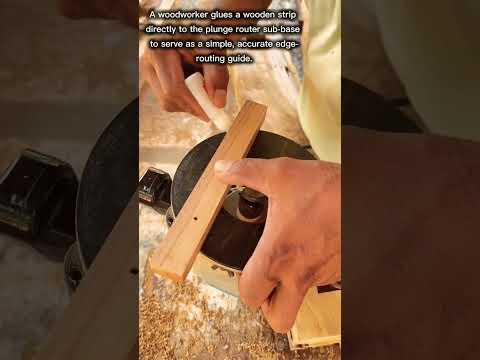
The core of this DIY project involves a clever modification to the router's existing sub-base. By attaching a perfectly straight wooden strip directly to the bottom of the plunge router sub-base, you create a built-in reference point. This allows the tool to glide along the edge of your workpiece with zero deviation. It is an incredibly cost-effective way to upgrade your power tools and achieve professional-grade results without needing complex metalworking or high-end components.
Steps to Build Your Custom Guide
To start, select a piece of hardwood—such as oak or maple—that is dimensionally stable and perfectly flat. Accuracy is vital here; any bow or twist in the wood will translate directly to your project. After removing the standard plastic sub-base from your router, you can glue or screw your guide strip to a new, oversized base plate. Some woodworkers prefer to glue a wooden strip directly to the sub-base for a permanent, rock-solid fix. This simple modification ensures that your cuts remain parallel to the edge of your board every single time.
Elevating Your Workshop Workflow
Investing time into customizing your power tools pays off in the long-term quality of your finished products. This DIY edge guide fence isn't just about saving money; it’s about creating a tool that fits your specific ergonomic needs. Whether you are cutting clean grooves, precise dados, or decorative edges, having a dedicated fence attached to your router provides the confidence to tackle more complex joinery with ease. By taking control of your equipment, you turn a standard machine into a precision instrument.


