Starting a new career on the construction job site is an exciting step toward a rewarding future. However, before you pick up your tools or step into a high-activity zone, mastering the core fundamentals of job site safety is essential. Construction environments are dynamic, fast-paced, and filled with potential hazards, making safety awareness your top priority from day one.
Gear Up with Proper PPE
Your first line of defense on any job site is your Personal Protective Equipment (PPE). Standard gear includes a hard hat, high-visibility vest, steel-toed boots, safety glasses, and ear protection. Wearing high-visibility clothing ensures that every crew member and equipment operator can spot you easily, even in poor lighting or dusty conditions.
Maintain Awareness Near Equipment
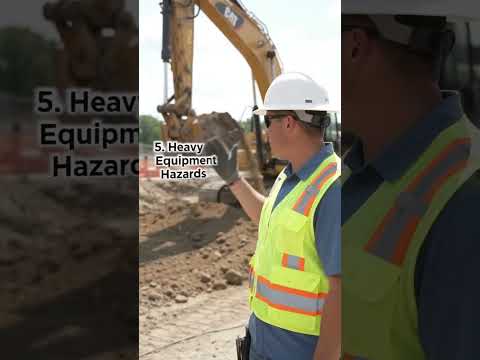
One of the most critical aspects of job site safety is understanding how to navigate active work zones safely. Whether you are assisting an operator or working nearby, staying alert around a heavy machine is non-negotiable. Large equipment such as excavators, bulldozers, and loaders have massive blind spots that can easily obscure ground workers.
To stay safe around a heavy machine, always follow these core principles: - Establish Eye Contact: Never assume an operator sees you. Wait for direct eye contact and a clear signal before walking near or behind equipment. - Respect Exclusion Zones: Stay clear of swing radiuses, backing pathways, and designated danger zones. - Never Walk Under Suspended Loads: Always give cranes, hoists, and raised excavator buckets a wide berth.
Master Clear Communication
Effective communication saves lives on the job site. Learn standard hand signals and familiarize yourself with site-specific radio protocols. Clear signals ensure that you and your crew remain synchronized, especially in high-noise environments where verbal communication is difficult. When working in close proximity to any active heavy machine, clear communication prevents costly missteps and serious accidents.
Build a Culture of Safety
Safety isn't just a set of rules—it's a professional mindset. Perform routine hazard assessments, report unsafe conditions immediately, and never hesitate to ask questions if you are unsure about a procedure. By prioritizing these basic safety fundamentals, you protect yourself and your teammates while building a solid foundation for a long, successful construction career.


