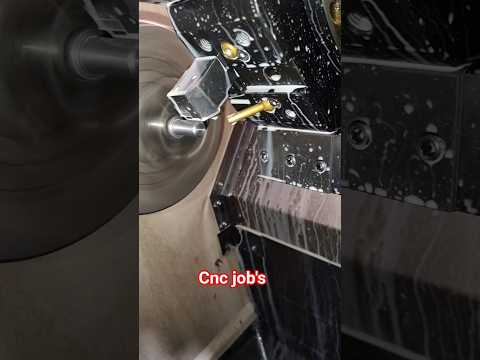
When it comes to metalworking and mechanical engineering, precision is everything. Creating accurate screw threads on bolts or structural components requires a seamless blend of skill, proper technique, and reliable equipment. Among various workshop operations, thread tapping—specifically cutting an M12×1.75 thread—is a fundamental task executed daily in facilities utilizing advanced machinery.
Understanding the M12×1.75 Thread Tapping Process
Tapping is the mechanical process of cutting internal or external threads into metal components to secure fasteners tightly. The designation "M12×1.75" refers to a standard metric thread with a 12mm nominal diameter and a 1.75mm pitch. Achieving a clean, durable thread profile demands exact axial alignment and controlled torque application.
While manual hand-tapping remains an option for quick repairs, modern industrial machinery such as CNC mills and specialized drill presses drastically elevates both production speed and thread accuracy. Utilizing automated or semi-automated tapping setups ensures consistent depth control and minimizes the risk of tool breakage, which is a common setback in high-torque metalworking tasks.
The Role of Advanced Drilling and Milling Equipment
Executing multi-hole tapping operations on a single workpiece requires structural rigidity and repeatable spindle speeds. Modern drilling machines equipped with auto-reversing tapping heads allow operators to cut clean threads and smoothly retract the tap without damaging the freshly formed metal grooves.
Whether using a dedicated drill press or sophisticated multi-axis CNC machinery, applying the right cutting parameters is crucial. Maintaining appropriate surface speeds and using high-quality thread-cutting fluid reduces heat, minimizes tool wear, and flushes away metal chips. The result is a burr-free, perfectly formed M12 thread ready for heavy-duty industrial assembly.
Summary
Precision thread tapping forms the backbone of reliable mechanical fasteners across automotive, fabrication, and manufacturing sectors. By combining high-precision cutting tools with modern machine shop equipment, engineers and machinists can ensure every bolt connection meets rigorous industry standards.


