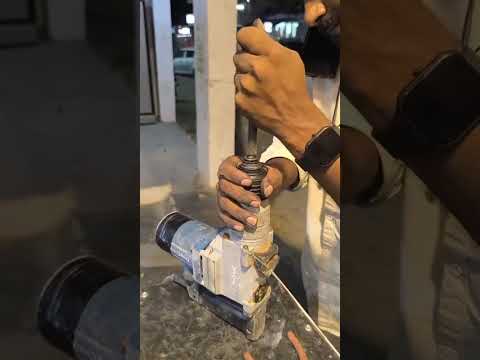
Rotary hammer drills are essential equipment for heavy-duty drilling, chiseling, and demolition work. However, continuous exposure to dust, debris, and intense vibration can cause mechanical wear and tear over time. Learning how to properly repair and maintain your equipment is crucial if you want to extend the operational lifespan of your heavy-duty power tools and avoid expensive replacement costs.
Whether you are dealing with a jammed bit, loss of hammering action, or motor trouble, understanding the basics of drill repair will keep your job site running smoothly.
Diagnosing Common Rotary Hammer Drill Problems
Before diving into disassembly, it is vital to identify the root cause of the breakdown. Common issues with hammer drill breakers include: - Loss of Impact Force: Often caused by worn-out O-rings, damaged piston seals, or dried-up lubrication inside the mechanical chamber. - Motor Fails to Turn On: Usually linked to worn carbon brushes, a damaged power cord, or a faulty trigger switch. - Excessive Heating or Grinding Noise: Indicates dry gears, damaged bearings, or accumulated debris inside the gear housing.
Step-by-Step Drill Repair Guide
- Safety First: Disconnect the drill from any power source before inspecting or disassembling the unit.
- Disassemble the Housing: Carefully remove the outer casing screws to access the motor assembly, gearbox, and hammer mechanism.
- Inspect the Carbon Brushes: Check the motor’s carbon brushes. If they are worn down significantly, replace them to restore electrical conductivity.
- Clean and Regrease the Gearbox: Old grease collects dirt and grit over time, causing friction. Wipe away degraded lubricant and apply fresh, high-temperature tool grease to the gears and piston assembly.
- Replace Seals and Chuck Components: Check the drill chuck, rubber seals, and piston rings for cracks or wear, swapping out any damaged parts with new spares.
- Reassemble and Test: Secure all components back into place, tighten the housing, and conduct a quick test run at low power to check for smooth operation.
Pro Tips for Tool Longevity
Regular care prevents major breakdowns. To keep your essential power tools operating at peak efficiency, clean out ventilation slots with compressed air after every use, lubricate drill bit shanks before insertion, and store your equipment in a protective carrying case away from moisture.
By combining routine servicing with timely mechanical repairs, your rotary hammer drill breaker will remain powerful, efficient, and ready for any tough task.


