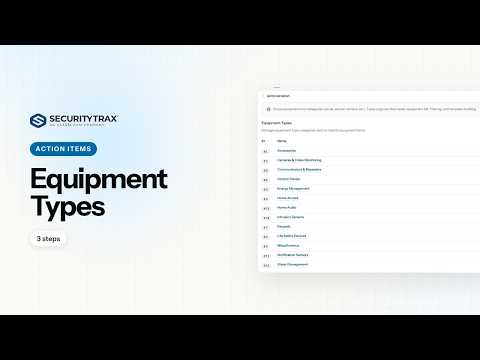
When setting up a new asset management or tracking system, organizing your inventory correctly from day one is essential for operational success. Your account automatically starts with a pre-configured set of equipment types, serving as the foundational categories for your entire catalog. However, as your business grows and your operational needs evolve, staying on top of these categories becomes vital.
Regularly reviewing your inventory structure ensures that every piece of machinery, tool, and specialized apparatus in your fleet is properly classified, easy to locate, and simple to maintain.
Understanding Default Equipment Types
When you first log into your account, you will notice default equipment types designed to help you get started quickly. These categories act as the backbone of your digital catalog, grouping similar items together to streamline scheduling, maintenance tracking, and reporting.
While default templates offer a solid starting point, rarely does a one-size-fits-all setup match every operational requirement. Whether you manage field equipment, fleet vehicles, or technical apparatus, customizing these category types allows you to mirror your actual workplace assets far more accurately.
The Benefits of Routine Catalog Reviews
Over time, operations expand, old equipment is retired, and new tools are introduced. Conducting periodic reviews of your equipment types yields several distinct advantages:
- Enhanced Searchability: Clear, standardized categories enable team members to find tools and assets instantly without wading through clutter.
- Accurate Analytics: Proper classification ensures that maintenance costs, utilization metrics, and lifecycle reports reflect real-world data.
- Simplified Operations: Removing obsolete or duplicate categories keeps your interface clean, significantly reducing human error during data entry.
Steps to Streamline Your System
To optimize your workflow, schedule a routine audit of your equipment catalog. Begin by reviewing existing categories to identify any redundant or underutilized labels. Next, group similar tools together and establish distinct categories for specialized gear or critical apparatus. Finally, train your team on these updated categories so that future entries remain consistent.
By proactively managing and refining your equipment types, you build a cleaner, more efficient catalog that keeps your team organized and your operations running seamlessly.


