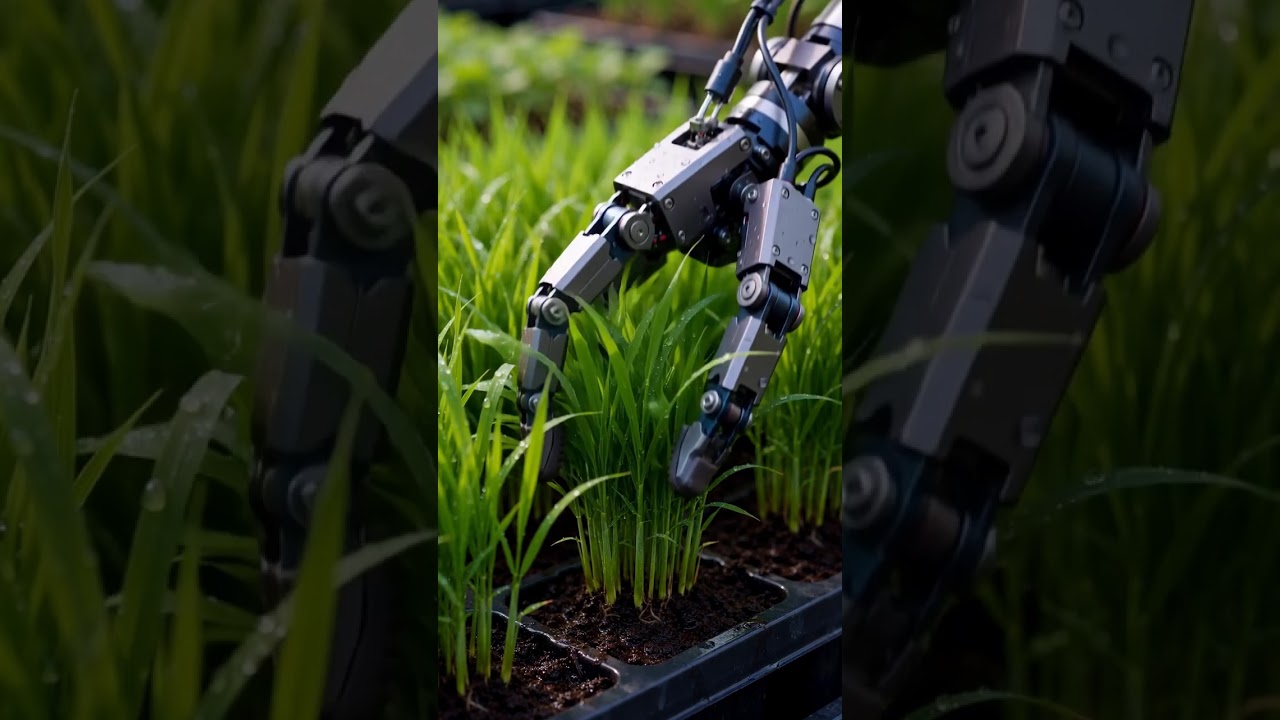
Inside the Factory Plant: How Modern Rice Transplanters Revolutionize Agriculture
This article provides an in-depth exploration of Factory plant, covering foundational concepts, practical applications, and engineering insights.
For centuries, planting rice was backbreaking work requiring days of grueling manual labor. Farmers spent endless hours bent over flooded paddies, painstakingly inserting young rice seedlings into the mud by hand. Today, advanced machinery has completely transformed this age-old tradition. Thanks to modern industrial engineering, tasks that once took an entire community days to complete can now be accomplished in just a few short hours.
Precision Engineering on the Production Floor
At the heart of this agricultural shift is the modern factory plant, where complex engineering turns raw materials into high-efficiency farming equipment. The assembly process of a modern rice transplanter is a remarkable display of industrial precision.
On the production line, skilled technicians and automated systems work in harmony to construct every vital component. From heavy-duty chassis designs and reliable engines to the intricate mechanical claws that grab and insert seedlings at lightning speed, every piece is built for maximum durability. Strict quality control standards within the factory plant ensure that each machine can withstand harsh, muddy field conditions while maintaining pinpoint planting accuracy.
From Blueprint to the Rice Paddy
Once a machine completes its journey through the manufacturing line, its impact on real-world farming is immediate. A motorized rice transplanter glides through wet fields effortlessly, placing uniform rows of seedlings at perfect depth and consistent intervals.
This transition to automated machinery provides critical advantages for agricultural productivity:
- Unmatched Speed: Farmers can cover expansive fields in hours, allowing them to optimize tight seasonal planting windows.
- Improved Crop Yields: Precise spacing ensures seedlings receive equal access to sunlight, water, and soil nutrients.
- Labor Reduction: Automated planting drastically reduces physical strain and reliance on scarce seasonal labor.
The Power of Modern Manufacturing
The evolution of agricultural equipment proves how essential modern production facilities are to global food security. As any specialized factory plant continues to integrate robotics and smarter manufacturing tech, agricultural tools will become even more powerful and reliable. Watching a rice transplanter come together on the factory floor is more than just a lesson in machinery—it is a glimpse into the future of efficient global food production.


