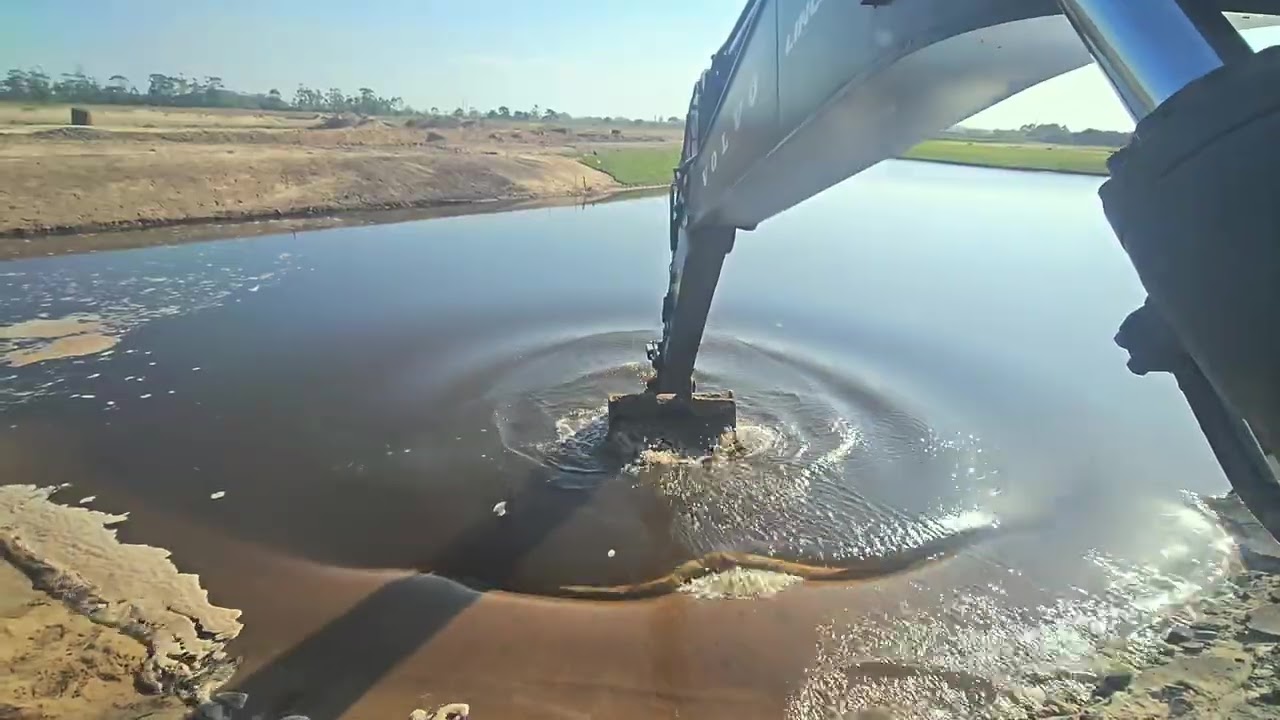
Essential Soil Compaction Tips Every Heavy Machine Operator Must Know
This article provides an in-depth exploration of Heavy machine, covering foundational concepts, practical applications, and engineering insights.
Starting a career in earthmoving and site preparation comes with a steep learning curve. While mastering the controls is crucial, understanding the earth materials you work with is just as important. One fundamental technique every beginner operator must learn is how to properly compact sand and soil to build a stable foundation for construction projects.
Why Moisture is Crucial for Sand Compaction
When working with granular materials like sand, achieving maximum density can be surprisingly challenging. Dry sand particles create friction against one another, resisting compaction and leaving voids beneath the surface. By introducing the right amount of water, you lubricate these particles, reducing friction and allowing them to slide together much more efficiently.
When you run a heavy machine—such as a vibratory roller or a soil compactor—over properly moistened sand, the weight and vibration force out trapped air. This process creates a dense, rock-solid base that won't shift or settle under future structural loads.
Finding the Optimum Moisture Content
While adding water is essential, balance is key. Too little moisture leaves air gaps, while too much water creates mud, leading to instability and pumping soil.
- Under-watering: Leaves loose sand particles that easily erode or shift over time.
- Over-watering: Creates excess pore water pressure, preventing soil particles from binding together.
- Optimum Moisture: Allows particles to lock together seamlessly under structural pressure.
Before operating any heavy machine for compaction tasks, always inspect the moisture level. A simple hand-squeeze test can often tell you if the sand holds its shape without leaking excess water.
Pro Tips for Novice Operators
- Work in Lifts: Compact the material in thin, even layers (lifts) rather than attempting to pack one deep pile all at once.
- Distribute Water Evenly: Spray water uniformly across the work zone to avoid creating hidden soft spots.
- Maintain a Steady Pace: Keep your equipment moving at a consistent speed to ensure uniform density throughout the entire site.
Mastering these foundational soil mechanics will prevent structural failures down the road and help you excel as a skilled, efficient heavy machine operator.


