Denim remains a timeless staple in men’s fashion, prized for its durability and rugged aesthetic. However, working with such a heavy-duty fabric requires more than just basic skills; it requires precision and an understanding of how to handle thick seams. One of the most critical components of a high-quality denim shirt is the pointed cuff placket. This detail is often the mark of a professionally tailored garment, and mastering it can elevate your sewing projects to a commercial standard.
The Role of Precision in Denim Tailoring
Stitching on denim presents unique challenges, primarily due to the thickness of the material. To achieve a clean, sharp finish, the right setup is essential. While manual skill is vital, the quality of your sewing machinery plays a significant role in the outcome. Ensuring your machine is equipped with a heavy-duty needle and adjusted for higher thread tension will prevent skipped stitches and broken needles, allowing you to focus on the intricate geometry of the pointed placket.
Preparing the Placket for Stitching
Before you head to the sewing machine, preparation is key. A pointed cuff placket consists of the "under-lap" and the "top-lap" (the pointed part). For denim, it is highly recommended to use an iron to pre-fold the edges of your placket pieces. Because denim is stiff, pressing these folds beforehand ensures that the fabric stays in place, leading to much straighter stitch lines.
Step-by-Step Stitching Process
- Attaching the Under-lap: Start by sewing the smaller under-lap piece to the back edge of the sleeve slit. Flip it to the inside and top-stitch to secure it.
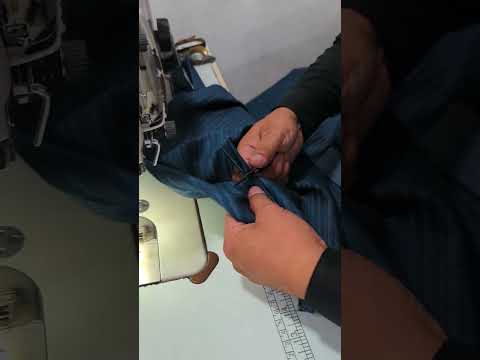
- Positioning the Pointed Piece: Align the larger, pointed placket piece over the raw edges of the slit. This is where the reliability of modern garment machinery becomes evident, as you need consistent piercing power to move through multiple layers of denim.
- Forming the Point: Carefully stitch up the side of the placket, pivot at the corner to form the "V" shape or point, and stitch back down.
- The Reinforcement Box: To ensure the placket doesn't tear during wear, finish by sewing a small "X" or a horizontal box stitch across the top of the placket opening.
Achieving a Professional Finish
The secret to a "store-bought" look lies in the top-stitching. Using a contrasting thread color—like the classic orange or gold found on traditional denim—can highlight the precision of your work. By combining patient hand-eye coordination with well-maintained industrial or domestic machinery, you can produce a pointed cuff placket that is both functional and stylish. Whether you are a hobbyist or an aspiring professional, mastering this technique is a major milestone in your tailoring journey.