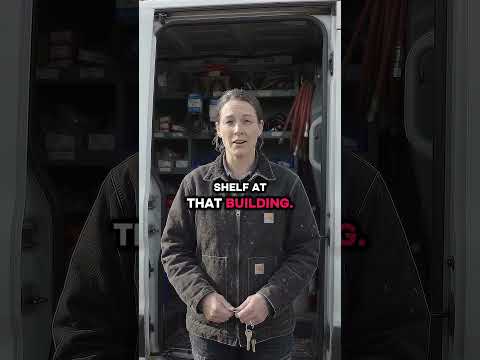
Every field technician and facility manager knows the daily frustrations of on-site equipment maintenance. You need to replace a filter or check a specific component, but to get the right dimensions, you have to disassemble heavy access panels, read worn-out labels, and reassemble everything—only to repeat the entire process when the new part arrives.
This repetitive manual routine drains valuable time, increases labor costs, and delays crucial repairs. Fortunately, modern inventory management offers a simple, highly effective solution.
Stop Wasting Time on Repetitive Inspections
Pulling off panels just to verify basic specifications like filter sizes or belt measurements is an inefficient use of skilled labor. In high-demand field environments, every minute spent on redundant physical inspections is a minute lost on actual productivity.
By shifting from reactive manual checks to proactive digital logging, field teams can instantly eliminate unnecessary downtime and keep projects running on schedule.
Log Specifications Once and Keep Moving
The secret to field efficiency lies in single-entry data logging. When performing routine inspections on site equipment, technicians should record all part specifications, dimensions, and model numbers into a centralized system immediately.
Software solutions like Equipment Tracker Pro allow teams to store exact component specs digitally. Once a filter size or part number is entered into the system, it remains permanently accessible to anyone on the team. The next time maintenance is due, technicians can check the database instantly and order parts ahead of time—without ever touching a screwdriver.
The Strategic Benefits of Digital Tracking
Adopting a digital-first approach for your operational equipment delivers several immediate advantages: - Faster Turnaround Times: Order the exact replacement parts before even arriving on site. - Reduced Inventory Waste: Avoid buying duplicate or incorrect parts due to guesswork or memory errors. - Improved Workflow: Keep your technicians focused on high-value repair work rather than basic data gathering.
Stop letting manual checks slow down your daily operations. Log your component specifications once, streamline your parts inventory workflow, and keep your field operations moving forward effortlessly.


