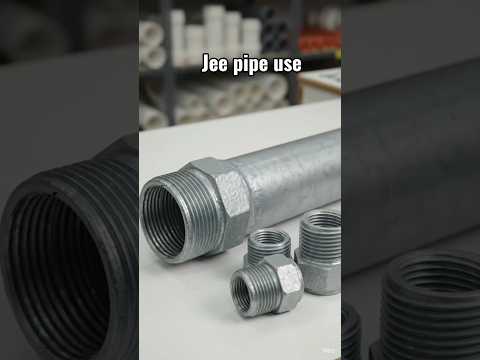
When it comes to building long-lasting structures or setting up reliable plumbing systems, choosing the right materials is the first step toward success. Among the most trusted components in the construction and hardware industry is the GI Pipe. If you have ever wondered why these pipes are a staple in almost every project, this guide will explain everything you need to know.
What Exactly is a GI Pipe?
GI Pipe stands for Galvanized Iron Pipe. These are essentially steel pipes that have been coated with a protective layer of zinc. This coating process, known as "galvanization," is what gives the pipe its signature silver-grey appearance and, more importantly, its incredible resistance to the elements.
Why the Zinc Coating Matters
The primary enemy of any iron-based material is rust. When iron is exposed to moisture and oxygen, it begins to corrode, leading to structural failure. By applying a zinc layer, manufacturers create a barrier that prevents water and air from reaching the iron core. This makes GI pipes exceptionally durable, even when used in outdoor environments or buried underground.
Common Applications in the Industry
Because of their versatility and strength, you will find these pipes being utilized across various sectors of the hardware and construction markets:
- Water Supply Lines: Their resistance to corrosion makes them ideal for carrying treated water to residential and commercial buildings.
- Scaffolding and Construction: Due to their high tensile strength, they are often used as structural supports in large-scale building projects.
- Fencing and Railings: You will frequently see GI pipes used for outdoor railings, balcony grills, and protective fencing because they can withstand rain and sun without degrading.
- Agriculture and Irrigation: Farmers rely on these pipes for irrigation systems where constant exposure to soil and water is a given.
Why Choose GI Pipes for Your Project?
Aside from being rust-resistant, GI pipes are favored because they are cost-effective compared to alternative materials like stainless steel. They are also easy to weld, cut, and thread, making them a favorite for plumbers and technicians who need to customize setups on-site.
Whether you are a DIY enthusiast working on a home repair or a professional contractor sourcing supplies, understanding the utility of these pipes is vital. Next time you visit your local hardware supplier, you will know exactly why the GI pipe remains a gold standard in modern infrastructure.


