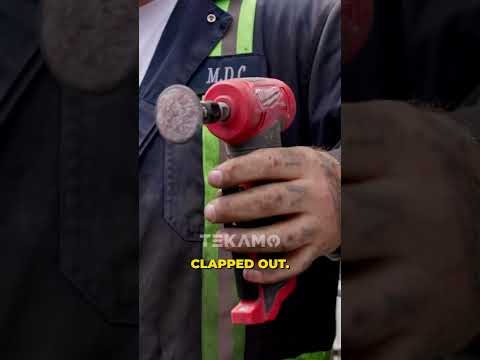
Maintaining heavy equipment is a tough job that demands precision, durability, and unwavering attention to safety. During a recent maintenance session with Mark D, a startling incident reminded us just how dangerous field repairs can be: a Milwaukee cutting disk shattered unexpectedly while servicing equipment.
Events like this highlight a crucial lesson for mechanics and operators alike. Working on a heavy machine requires not just mechanical skill, but extreme respect for tool limits and proper safety protocols.
The Danger of High-Stress Equipment Repairs
When dealing with large-scale machinery, power tools are pushed to their absolute limits. Grinding, cutting, and welding are daily tasks, but using compromised or improperly rated accessories can lead to sudden failures. A shattered cutting wheel can launch high-speed debris in seconds, turning a routine fix into a life-threatening situation. Always inspect power tool accessories for hairline cracks, wear, or moisture damage before turning on your equipment.
Essential Gear for Every Technician
To safely service any heavy machine, technicians must be equipped with high-quality personal protective equipment (PPE) and dependable tools. Never compromise on your safety setup. Essential gear includes: - Full-Face Shields & Safety Glasses: Dual protection is vital when cutting or grinding metal to shield against flying shrapnel. - Heavy-Duty Leather Gloves: Protect your hands from sudden tool kickbacks, sharp edges, and hot metal sparks. - RPM-Matched Disks and Blades: Always ensure the maximum RPM rating of your cutting disk meets or exceeds the output speed of your power tool.
Key Maintenance Tips to Avoid Tool Breakdown
Preventing workshop accidents comes down to proper technique and tool management: 1. Avoid Over-Pressuring Tools: Let the cutting wheel do the work. Excessive force creates thermal stress, leading to disk disintegration. 2. Store Abrasives Correctly: Keep cutting disks in a dry, temperature-controlled environment to prevent moisture from degrading the bonding material. 3. Perform Pre-Operation Checks: Always check safety guards, side handles, and power cords before starting any heavy-duty job.
By investing in top-tier gear and practicing strict maintenance routines, you protect yourself and ensure maximum efficiency on the job site. Prioritizing safety and utilizing the right tools will keep both you and your heavy machine running smoothly and safely for years to come.


