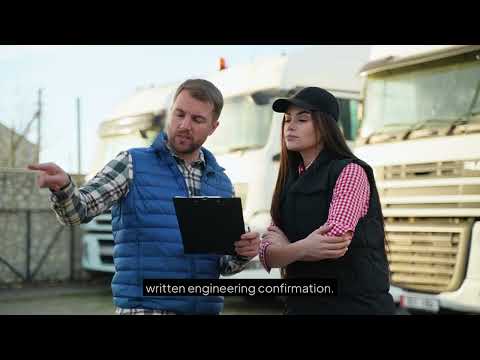
When planning a heavy equipment move, transporting complex machinery is far more complicated than simply matching numbers on a spec sheet. While an 80-ton rating on a four-axle lowbed trailer sounds impressive on paper, that number alone does not guarantee a safe, legal, or efficient haul.
To ensure a seamless transport operation, fleet managers and logistics coordinators must look beyond simple payload ratings and adopt a risk-based selection approach.
Beyond Weight Ratings: Evaluating Operational Risks
Transporting oversized industrial machinery requires a thorough understanding of load distribution, dynamic forces, and structural limits. A trailer might handle the static weight of a large excavator or crane component, but improperly distributed weight can quickly exceed legal axle limits or compromise vehicle stability on the road.
When evaluating a four-axle lowbed trailer, you must consider how the equipment’s center of gravity aligns with the trailer's deck design. Concentrated loads place vastly different stresses on a deck compared to evenly distributed cargo. Without a proper risk assessment, you risk catastrophic frame damage, permit violations, or severe safety hazards during transit.
Essential Factors for Trailer Selection
To determine whether a four-axle lowbed trailer fits your specific route and equipment profile, analyze these crucial risk factors before loading:
- Axle Weight Regulations: Verify that local legal weight limits per axle are maintained under real-world operating conditions.
- Deck Geometry & Clearance: Confirm overhead clearance for tall units to safely pass under bridges and utility lines while keeping the center of gravity as low as possible.
- Route Hazards & Job Site Access: Evaluate turning radiuses, ground clearance, steep inclines, and off-road conditions that could challenge a multi-axle setup.
Ensuring Safe and Efficient Heavy Transport
Selecting the right trailer is ultimately an exercise in risk mitigation. By taking a comprehensive view of load dynamics, route geometry, and regulatory requirements, you safeguard your assets, your team, and your bottom line.
Before dispatching your next load of heavy machinery, move past basic tonnage ratings. Implementing a thorough, risk-based trailer selection strategy guarantees safer transit, reduces costly downtime, and keeps your logistics operations running smoothly.


