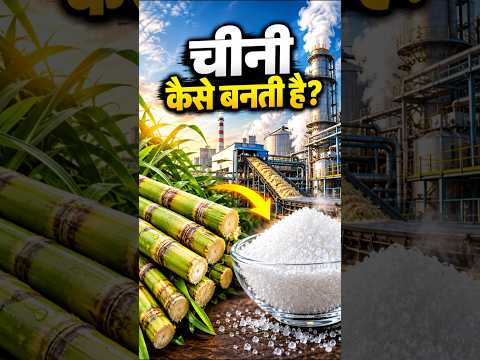
Have you ever paused while stirring a spoonful of sugar into your morning coffee and wondered how those sweet crystals actually reach your table? The transition from tall green stalks growing in a field to refined table sugar is a fascinating process driven by modern engineering. Let’s take a step-by-step look at how raw sugarcane is transformed into pure sugar inside a processing factory plant.
Step 1: Harvesting and Initial Preparation
The journey begins in tropical sugarcane fields, where mature stalks are harvested and swiftly transported to the production facility. Timing is crucial because sugarcane must be processed quickly to prevent the natural sucrose from spoiling. Upon arrival at the factory plant, the stalks are thoroughly washed to eliminate soil and debris, then shredded into fine fibers to prepare them for extraction.
Step 2: Juice Extraction and Clarification
Once shredded, the sugarcane passes through a heavy series of roller mills that crush the stalks under high pressure to squeeze out the raw juice. The fibrous residue left behind—known as bagasse—is usually recycled to fuel the boilers that power the facility. The extracted liquid is then heated and treated with natural clarification agents to remove remaining impurities, leaving behind clear, sweet juice.
Step 3: Evaporation and Crystallization
Because the clarified juice still consists mostly of water, it moves to vacuum evaporators where it is gently boiled under low pressure. As the water evaporates, the liquid turns into a rich, golden syrup. This syrup is then transferred to massive vacuum pans for crystallization. Tiny sugar crystals are introduced to "seed" the mixture, causing dissolved sucrose to attach to the seeds and grow into distinct sugar granules.
Step 4: Centrifugation and Drying
To isolate the solid sugar crystals from the remaining liquid syrup (molasses), the thick mixture is pumped into high-speed centrifuges. The rapid spinning action forces the molasses outward through perforated basket walls, leaving gleaming sugar behind. Finally, the raw sugar is dried with hot air, cooled, and thoroughly inspected before packaging.
From crushed stalks to bright white granules, every stage of this transformation relies on precise temperature control and specialized machinery working together seamlessly within a modern factory plant.


