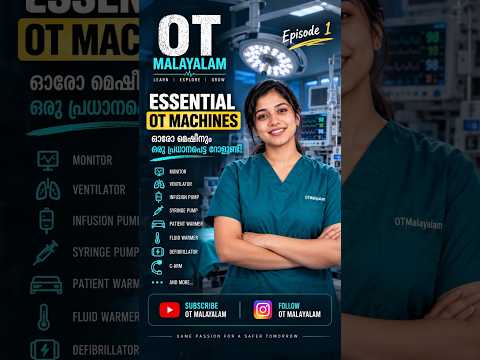
The operating theatre (OT) is the heart of any medical facility, where precision, timing, and technology come together to save lives. Behind every successful surgery is a network of sophisticated equipment designed to monitor, support, and assist surgical teams. Understanding essential surgical machinery is crucial for medical students, healthcare professionals, and anyone interested in modern clinical practices.
Key Operating Theatre Equipment and Their Functions
A well-equipped operating room relies on various specialized devices, each serving a vital purpose throughout a surgical procedure:
- Anesthesia Workstation: This critical system delivers a precise mixture of oxygen, air, and anesthetic gases to keep patients safely unconscious and pain-free during operations.
- Patient Monitors: These devices continuously track vital signs—including heart rate, blood pressure, oxygen saturation (SpO2), and respiratory rates—alerting the surgical team to any sudden changes.
- Electrosurgical Unit (ESU): Often referred to as a cautery machine, an ESU uses high-frequency electrical currents to cut tissue and coagulate blood vessels, significantly reducing blood loss.
- Surgical Lights and Adjustable OT Table: High-intensity, shadowless surgical lights ensure maximum visibility, while ergonomic tables allow exact patient positioning for complex procedures.
- Suction Apparatus: Essential for maintaining a clear surgical field, this unit removes fluids, blood, and debris from the operative site.
Why Modern Surgical Equipment Matters
The integration of advanced operating theatre machinery has revolutionized patient outcomes by increasing accuracy and reducing procedure times. High-performance technology minimizes human error, enhances real-time patient monitoring, and maintains strict infection control standards within the operating environment.
Final Thoughts
Whether you are beginning a career in healthcare or simply seeking to expand your medical knowledge, understanding the function of these essential machines is fundamental. As medical technology advances, staying informed about standard operating room tools ensures better patient safety and smoother surgical workflows.


