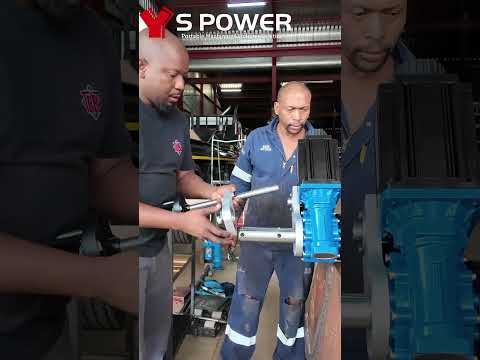
In the world of heavy equipment repair, precision is everything. Whether you are dealing with excavators, loaders, or large-scale industrial pivots, worn-out bores can lead to catastrophic mechanical failure. This is where portable line boring and bore welding machinery becomes indispensable. Setting up this equipment correctly ensures that your repairs are accurate to the millimeter, saving significant time and reducing the high costs associated with total parts replacement.
Understanding the Setup Basics
The first step in a successful line boring operation is the thorough preparation of the workspace. Before mounting the machine, you must ensure the workpiece is clean and the boring bar is free of debris. The process begins by installing mounting brackets or spherical bearings on both sides of the bore. These brackets must be securely tacked or bolted into place to prevent vibration—the primary enemy of precision during the cutting process.
Aligning the Boring Bar for Success
Once the brackets are positioned, slide the boring bar through the center. Using centering cones or a dial indicator, you must ensure the bar is perfectly centered within the existing hole. This alignment phase is the most critical stage of working with specialized industrial machinery. If the bar is even slightly off-center, the finished bore will be uneven, leading to premature wear on new bushings or pins once the equipment is put back into service.
Transitioning to Bore Welding
After the initial boring passes are made to "clean up" the hole, you often need to add material back to the surface via bore welding. High-quality systems, such as those provided by S Power Portable, allow for a seamless transition between boring and welding. The bore welder attaches to the same mounting system, laying down a consistent, automated bead of metal to rebuild the inner diameter. This dual-capability makes this type of machinery a game-changer for on-site repairs, as it eliminates the need for manual welding.
Final Machining and Finishing
Once the weld has cooled, you simply switch back to the boring bar for the final "finish pass." Adjust your cutting tool to the exact required diameter and proceed with a slow, steady feed rate. The result is a bore restored to its original factory specifications without the need to transport heavy components to a fixed machine shop.
By following these setup steps, operators can ensure professional-grade results every time. For high-quality tools and expert technical support, visit S Power Portable at https://www.spowerportable.com/ or contact the team directly via WhatsApp at 86-15658915073.


