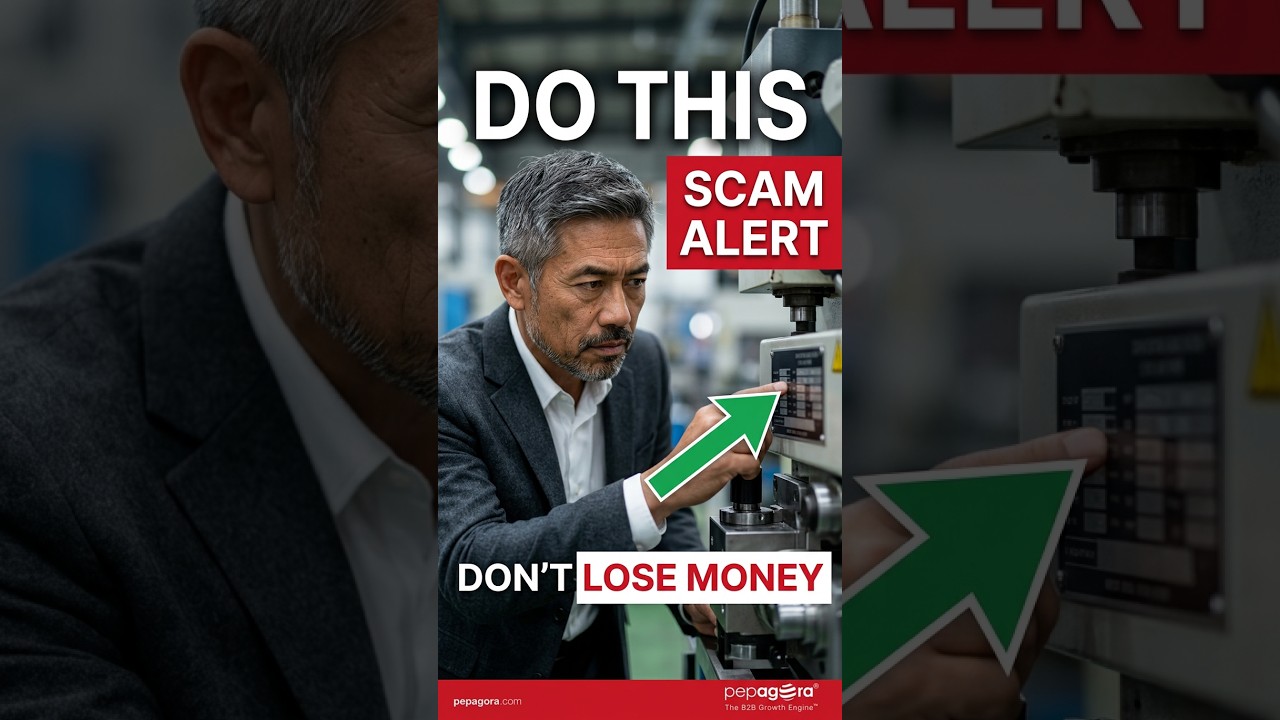
Sourcing Industrial Tools: How to Avoid Costly B2B Supplier Scams
This article provides an in-depth exploration of Industrial tools, covering foundational concepts, practical applications, and engineering insights.
Expanding your manufacturing capacity or upgrading your workshop often requires finding reliable global suppliers. However, the B2B equipment marketplace has seen a sharp rise in sophisticated scams. From phantom factories to substandard machinery, making a blind purchase can cost your business tens of thousands of dollars.
Before wiring funds for high-ticket industrial tools, implement a structured vetting process to ensure your investment stays protected.
The True Cost of Equipment Scams
In the competitive B2B manufacturing landscape, low price tags often disguise fraudulent operations. Scammers create slick, professional websites and copy product catalogs from legitimate producers. Unsuspecting buyers pay large deposits upfront, only to receive defective products, outdated machinery, or nothing at all. Sourcing heavy machinery and specialized industrial tools requires extra diligence due to the high capital involved.
Essential Steps to Vet International Manufacturers
- Verify Company Credentials and Business Licenses: Never rely solely on a website or a social media profile. Request official registration documents, tax certificates, and export licenses. Check government or third-party registries in the supplier’s home country to verify their business status.
- Demand Live Video Facility Tours: Fraudulent middlemen often operate out of small residential offices while claiming to own massive production plants. Schedule an unannounced or short-notice video call asking for a live walkthrough of the factory floor and the assembly line.
- Use Third-Party Inspection Services: Hire an accredited local quality control agency (such as SGS, TÜV, or Bureau Veritas) to visit the factory. An on-site audit guarantees that the manufacturing facility actually exists and meets necessary safety and production standards.
- Never Wire 100% Upfront: A standard B2B payment structure typically uses letters of credit (LC), escrow services, or milestone-based payments (e.g., 30% deposit, 70% upon bill of lading verification). Any supplier demanding full wire transfer upfront before production should be treated as a major red flag.
Final Thoughts
Upgrading your facility with high-grade industrial tools is a critical step for growth, but rapid procurement should never compromise security. By standardizing your supplier verification process and insisting on secure payment terms, you can safeguard your capital and build dependable, long-term manufacturing partnerships.
Visual Insights & Illustrations


