Master the Craft: Essential Welder Tips and Tricks for Heavy Machinery
This article provides an in-depth exploration of Machinery, covering foundational concepts, practical applications, and engineering insights.
Welding is an indispensable skill in modern manufacturing, construction, and equipment repair. Whether you are a beginner looking to hone your craft or an experienced professional working on heavy machinery, mastering subtle welding techniques can dramatically improve your weld quality, structural integrity, and overall productivity.
Below are essential welder tips and tricks designed to help you achieve cleaner, stronger, and more consistent welds on every project.
1. Never Skimp on Surface Preparation
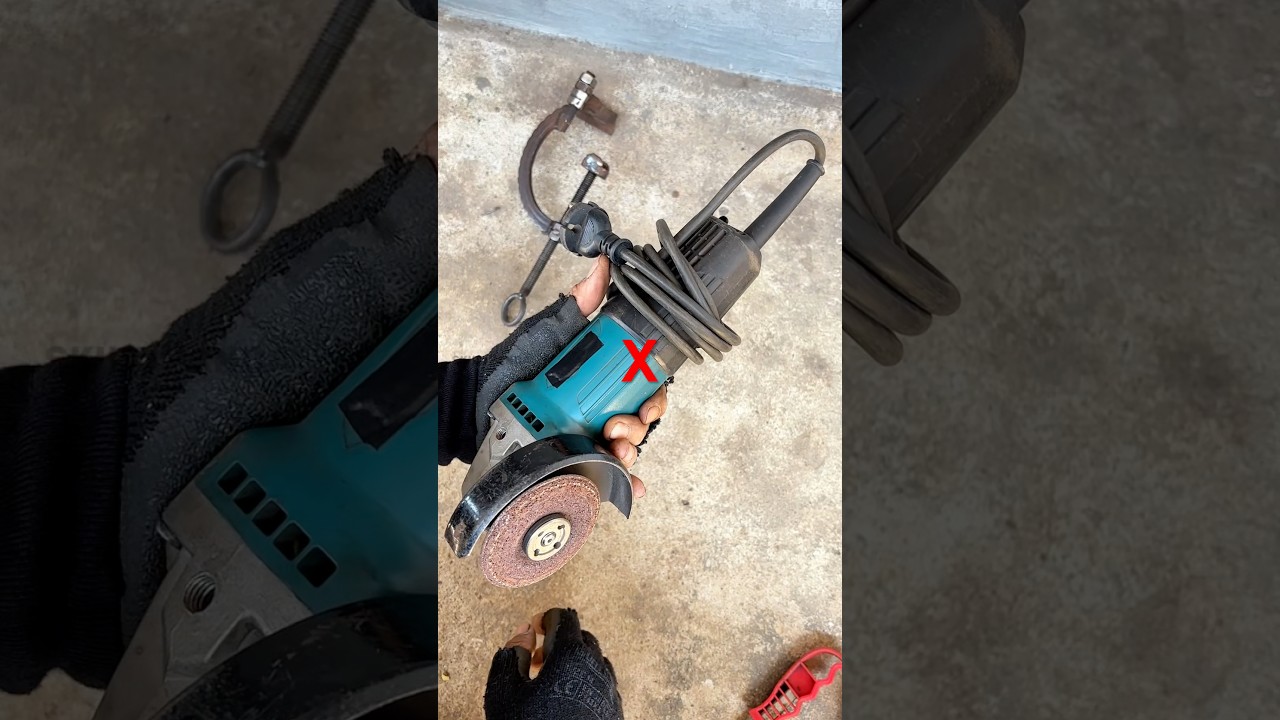
One of the most common mistakes welders make is attempting to weld over rust, paint, oil, or mill scale. Dirty metal introduces contaminants into the weld pool, leading to porosity, cracking, and weak joints. Always use a wire brush, angle grinder, or chemical cleaner to prep your workpieces thoroughly. Clean surfaces ensure proper penetration and result in visually appealing, structural welds.
2. Master Heat Control and Travel Speed
Controlling your heat input is crucial, especially when fabricating or repairing complex industrial machinery. Too much heat can warp thin metal sheets or alter the heat-treated properties of heavy steel plates. Conversely, insufficient heat leads to cold laps and poor fusion. Focus on maintaining a consistent arc length, torch angle, and travel speed to keep your heat distribution even throughout the joint.
3. Choose the Right Technique for the Job
Your gun or torch angle plays a major role in bead profile and penetration depth:
* Push Technique: Pushing the puddle provides a flatter, wider bead with shallower penetration, making it ideal for thinner materials.
* Pull/Drag Technique: Dragging yields deeper penetration with a taller, narrower bead, which is best suited for thick structural joints.
Understanding when to push or pull allows you to adapt to various position requirements and material thicknesses effectively.
4. Maintain Your Equipment and Stay Safe
Quality welding depends heavily on well-maintained gear. Always inspect your ground clamps, cables, drive rolls, and contact tips before starting a project. Keeping your setup in optimal condition prevents unexpected downtime when servicing high-performance machinery. Additionally, never compromise on safety—an auto-darkening helmet, proper leather gloves, and flame-resistant apparel are non-negotiable essentials.
Final Thoughts
Mastering the art of welding requires patience, continuous learning, and attention to detail. By implementing these fundamental tips into your routine, you will refine your technique, save time on cleanup, and deliver durable welds that stand the test of time.
Visual Insights & Illustrations


