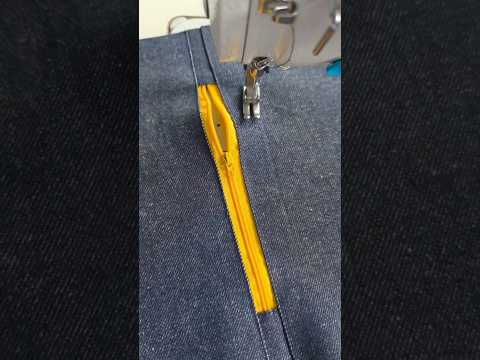
Sewing is an art form that blends creative vision with technical precision. Whether you are a seasoned professional or a hobbyist just starting your journey, the quality of your finished garment often depends on the methods you apply and the tools you use. To get the most professional results out of your sewing machinery, mastering a few core techniques can transform a simple DIY project into a high-end designer piece.
Below, we explore four essential sewing techniques that will elevate your craftsmanship and help you sew with more confidence.
1. The Elegant French Seam
The French seam is the gold standard for lightweight or sheer fabrics. Essentially a "seam within a seam," this technique hides raw edges completely, ensuring the inside of your garment looks as polished as the outside. It provides durability and prevents fraying, which is vital when working with delicate silks or chiffons.
2. Precision Edge Stitching
Edge stitching is a row of stitches sewn very close to the folded edge or seam line—typically about 1/8th of an inch away. It is used to finish necklines, pockets, and waistbands. To achieve a perfectly straight line, fine-tuning your sewing machinery to a slower, controlled speed and using an edge-stitch foot can provide the stability needed for that crisp, professional look.
3. Creating Perfect Gathers
Gathering fabric adds beautiful volume and texture to sleeves, skirts, and ruffles. The most effective way to gather is by sewing two parallel rows of long basting stitches and then gently pulling the bobbin threads. This allows you to distribute the fabric evenly across a smaller area, creating a soft, pleated effect that remains consistent throughout the garment.
4. The Invisible Blind Hem
For formal wear and tailored trousers, a visible hem can ruin the aesthetic. The blind hem technique uses a specialized stitch that only catches a single thread of the fabric’s surface, making the stitching virtually invisible from the right side.
By practicing these four foundational methods, you will begin to see a significant improvement in the structure and longevity of your work. When you understand the full capabilities of your sewing machinery, these techniques become second nature, allowing you to focus on the creative side of fashion design while maintaining a high standard of quality.


